



Who Should Read This?
- Digital Marketing Managers
- SEO Specialists
- Website Owners
- Content Writers
- eCommerce Managers
- Marketing Teams
- Business Owners
Why Should You Read This?
- Learn what makes a meta description effective
- Understand how meta descriptions can impact click-through rates
- Discover practical ways to write descriptions that support SEO
- Find out how to avoid common meta description mistakes
- Get simple tips you can apply across blogs, product pages, and landing pages
A meta description is a brief summary of what a webpage is about. It usually shows up below the page title in search engine results, giving people a quick idea of the page’s content.
While meta descriptions don’t directly affect your search rankings, they can help encourage people to click on your link. A clear, relevant, and appealing meta description can increase the chances that users will visit your site, attract the right visitors, and support your overall SEO efforts.
Meta descriptions are typically written in the backend of your website using platforms like Yoast inside of WordPress, Magento, Shopify, or other website tools.
Why Meta Descriptions Matter
Meta descriptions are short, but they can play a big role in how people engage with your website in search results. When someone is choosing between similar pages, your description can help your listing catch their attention.
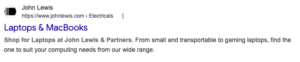
A strong meta description should:
- Summarise the page clearly
- Match what the user is searching for
- Highlight the value of the page
- Encourage the user to click or take action
Think of it as a short advert for your webpage. The better it explains the benefit of visiting your page, the more likely users are to choose your result.
Read on to discover how to create strong meta descriptions that boost SEO performance.
Keep It Clear and Relevant
Your meta description should clearly describe what the page is about. Avoid vague words, over-the-top claims, or promises the page doesn’t actually fulfill. Focus on the main purpose of the page and write in a simple way that’s easy to understand. Visitors should be able to tell right away if the page will answer their questions or help with what they’re looking for.
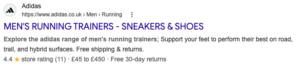
For example, if your page is about men’s running shoes, the description should clearly show whether visitors can browse new styles, compare sizes, find lightweight options, or shop shoes made for road running, trail running, or daily comfort.
Use Your Target Keyword Naturally
Including your target keyword can show visitors that your page is relevant to what they’re searching for. Just make sure the keyword fits smoothly into the sentence.
Avoid overusing keywords, because this can make your description seem spammy and hard to read.
Example:
Instead of:
“Women’s summer dresses summer dresses online buy summer dresses sale dresses”
Try:
“Shop women’s summer dresses in a range of styles, colours, and fits. Find lightweight dresses for holidays, events, and everyday wear.”
The second version is clearer, more useful, and more likely to appeal to someone browsing search results.
Keep It Concise
Meta descriptions should be brief enough to look good in search results. A helpful rule is to keep them around 150 – 160 characters, but keep in mind that search engines might show different lengths depending on the device and what you’re searching for.
To keep your copy concise:
- Focus on one main message
- Put the most important information first
- Remove unnecessary filler words
- Avoid repeating the page title word-for-word
Every word should help explain the value of the page.
Give Users a Reason to Click
A good meta description does more than describe the page. It gives users a clear reason to visit.
You can highlight:
- A useful guide or checklist
- A practical solution
- A key product benefit
- A reason to shop with your brand
- A problem your page helps solve
Example:
“Explore garden furniture designed for outdoor comfort, from dining sets to lounge chairs. Find durable styles for every size of garden.”
This works because it explains what the user will find and gives them a reason to continue to the page.
Match the Page Type
Different pages need different types of meta descriptions. A blog post should tell readers what they’ll learn, while a product page should emphasise main features, advantages, and reasons to buy.
Blog Post Example:
“Discover how to choose the right sofa for your living room, including size, fabric, colour, comfort, and layout tips.”
Category Page Example:
“Browse our full range of women’s winter coats, including padded jackets, wool coats, parkas, and waterproof styles.”
Product Page Example:
“Shop this stainless steel water bottle with double-wall insulation, a leak-proof lid, and a durable design for everyday use.”
Service Page Example:
“Improve your online store with expert eCommerce support from CDA, including development, optimisation, integrations, and ongoing maintenance.”
Matching the description to the page type helps attract more relevant visitors and sets the right expectations before they click.
Use Active Language
Active language makes your meta descriptions more engaging. Words such as “shop”, “discover”, “browse”, “explore”, “find”, and “compare” help encourage users to take action.
Example:
Weak:
“Outdoor lighting products are available on this page in different styles.”
Stronger:
“Browse outdoor lighting for gardens, patios, and driveways, including wall lights, path lights, and decorative solar options.”
The stronger version is clearer, more direct, and more useful to the shopper.
Review and Improve Over Time
Meta descriptions should be reviewed regularly, especially for pages with high impressions but low click-through rates.
When reviewing your descriptions, ask:
- Is it clear?
- Does it match the page content?
- Does it include a benefit?
- Is it too long or too vague?
- Does it reflect the search intent?
For eCommerce businesses, it’s especially helpful to look over descriptions on pages for expensive products, popular categories, seasonal specials, and pages that get lots of views but few clicks.
Making small tweaks can help turn existing visibility in search results into more visitors to your website and more opportunities to make sales.
Final Thoughts
A strong meta description is a simple but important part of SEO. It helps users understand what your page is about, gives them a reason to click, and makes searching easier and more enjoyable.
The best meta descriptions are clear, brief, relevant, and focused on the user. They include keywords naturally, show the value of the page, and avoid generic or repeated text.
For eCommerce businesses, good meta descriptions can make product pages, category pages, and seasonal landing pages stand out in search results. Taking the time to write effective descriptions can increase clicks, attract more interested visitors, and help each page on your website perform better.

