



Who Should Read This?
- Marketing managers responsible for SEO, social media and content strategy
- Business owners who want to understand how customers discover their brand online
- eCommerce teams creating product videos, guides and social content
- Social media teams looking to demonstrate the wider value of their work
- SEO teams that want a more complete view of brand visibility
- Businesses working with content creators or influencers
Why It’s Worth Reading
- Google Search Console can now report on content from Instagram, TikTok, X and YouTube
- Marketers can see which Google searches are leading people to individual social posts
- Social content can now be measured beyond likes, views and engagement within the original platform
- The update can help businesses connect their SEO, content and social media strategies
- It provides a clearer view of how people discover and research brands across multiple channels
What You’ll Learn
- What Google has added to Search Console
- What information the new reports provide
- What the update means for digital marketers
- How social content fits into modern search journeys
- How to use the data to improve your digital marketing strategy
- What your business should do to make the most of the update
For years, Google Search Console has primarily helped businesses understand how their website performs in Google. You could see which search terms generated impressions, which pages attracted clicks and how your organic visibility changed over time.
But, with the evolution of social media, the way people search has changed.
Customers do not always move directly from a Google search to a company website. They may discover a product through TikTok, search for the brand on Google, watch a YouTube demonstration, read customer comments on Instagram and then return to the website several days later.
Search, social media, video and eCommerce are increasingly part of the same customer exploration journey. Google’s latest Search Console update recognises this by giving businesses more visibility over how social and video content is being discovered through Google.
What Has Google Updated?
Google Search Console can now provide eligible businesses and creators with data about how content from supported Instagram, TikTok, X and YouTube accounts performs across Google Search and Discover.
Through a new platform property, marketers can connect and verify their social accounts to see information including:
- The Google searches leading people to their social content
- Which posts receive the most impressions and clicks
- Changes in visibility and traffic over time
- The social and video content performing most effectively in search
This is a measurement update rather than a ranking change. Connecting an account will not automatically improve its visibility, but it will give marketers a clearer understanding of how social content is already helping users discover their brand through Google.
The feature is being introduced gradually, so it may not yet be available within every Search Console account. You can read more about the Google Search Console social content update here.
Why Does This Matter for Digital Marketers?
Until now, social media performance has mainly been measured using data from within each platform.
Marketers have looked at metrics such as:
- Reach
- Views
- Watch time
- Likes
- Comments
- Shares
- Saves
- Follower growth
- Link clicks
These metrics are still valuable, however, they do not show the full value of the content.
A TikTok video may receive a large number of views during its first few days but generate very little visibility outside TikTok. Another video may receive less immediate engagement but continue appearing in relevant Google searches for several months.
Those are two very different types of performance.
The new Search Console reports allow marketers to start measuring the longer-term search value of social content.
Instead of only asking:
“Did this post perform well on social media?”
You can also ask:
“Is this content helping people discover our brand through Google?”
That is an important change.
It gives marketing teams another way to demonstrate how social media contributes to awareness, research and customer acquisition.
How Will This Affect the Customer Search Journey?
The update itself does not change how people search, what it changes is how clearly marketers can see part of that journey.
A potential customer might:
- Search Google for advice about a problem
- Find a video from your TikTok or YouTube account
- Watch the content without visiting your website
- Search for your brand name later
- Visit your website to compare products or services
- Return through a paid advert or email campaign
- Make an enquiry or purchase
Before this update, the first interaction could have been difficult to identify. Your social platform might record a video view, while your website analytics might show a later branded search or direct visit.
The connection between those interactions was often unclear.
Search Console’s new platform properties will not provide perfect end-to-end attribution, but they can reveal which social posts and topics are introducing your brand to people through Google. This matters because the first useful interaction with your business may happen away from your website.
The customer journey can begin wherever the most useful content appears.
How Could This Change the Way People Discover Your Brand?
Social content is no longer limited to the feed in which it was originally published. A useful video, tutorial or product demonstration may be discovered through Google long after its initial social engagement has slowed down.
This gives social content a potentially longer lifespan.
For example, an eCommerce business might publish a short video explaining how to choose the correct product size. The video may initially reach existing followers through Instagram or TikTok, however, it could also appear when someone later searches Google for:
- What size product do I need?
- How do I measure for this product?
- Which product size is right for me?
- Product size guide
- How should this product fit?
The person searching may never have heard of the business before, therefore the content becomes the introduction to the brand.
This means discoverability will increasingly depend on whether your content is useful, relevant and closely connected to the questions your audience is asking.
How Can You Use This Data in Your Digital Marketing Strategy?
The real value of this update will come from how businesses use the information.
The data you collect needs to influence your content, SEO, social media and customer journey decisions.
1. Identify the Searches Driving Social Discovery
Start by reviewing the search queries connected to your social content. Look for recurring questions, product needs, pain points and themes. You may discover that users are finding your content through searches you had not previously targeted.
For example, a retailer may find that practical product demonstrations generate more search visibility than polished campaign videos.
A professional services company may find that short answers to specific industry questions perform better than broad brand awareness content.
These insights can help you create future content around demonstrated search demand rather than assumptions.
2. Create Social Content With Search in Mind
Social media content should still be engaging and appropriate for the platform. However, marketers can now consider search visibility during the planning process.
That could mean:
- Answering a clear customer question
- Covering one topic in detail
- Using descriptive titles and captions
- Mentioning important products, services and subjects naturally
- Creating tutorials, comparisons and demonstrations
- Producing content around common problems
- Using language that reflects how customers actually search
The objective is to make the subject and value of the content clear so it is more likely to appear in Google searches.
3. Connect Social Insights With Your Website Strategy
Search Console data should not be reviewed by the social media team in isolation. A social post attracting visibility for an important search could reveal an opportunity for:
- A detailed website guide
- A new landing page
- An FAQ section
- A product comparison
- A category page improvement
- A paid advertising campaign
- An email marketing feature
- A new content series
The process can work in both directions.
SEO data can inspire social content, and social search data can inspire website content.
For example, if a short video performs well for a high-intent product question, you could develop a more detailed buying guide and link users towards relevant products.
This creates a more joined-up journey from initial discovery to conversion.
4. Look Beyond Immediate Engagement
Not every useful piece of content will generate a large number of likes or comments. Some content is designed to entertain, some is designed to start conversations, and some is designed to answer a specific question at exactly the right moment.
The new data can help you identify posts that have long-term discovery value, even when their initial platform metrics appear modest.
This may justify investing more time in evergreen content such as:
- Product tutorials
- How-to videos
- Buying advice
- Expert explanations
- Frequently asked questions
- Reviews
- Comparisons
- Troubleshooting content
- Industry guidance
5. Create More Complete Marketing Reports
Social media, SEO and website performance are often reported separately, which can create a fragmented view of performance.
Platform property data can help marketers build reports that show:
- Social engagement within the original platform
- Social content visibility within Google
- Website traffic from organic search
- Branded search growth
- Conversions and revenue
- The topics supporting discovery across multiple channels
The result should be a clearer view of how content contributes to the wider customer journey.
What Should Businesses Do Now?
There is no need to completely rebuild your digital marketing strategy overnight.
The feature is still being introduced, and businesses will need enough data before drawing reliable conclusions. However, there are several practical steps you can take.
Connect Your Accounts
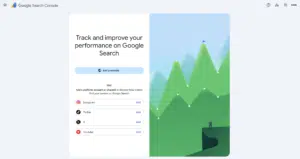
When the feature becomes available, open the property selector in Search Console and select “Add property”.
Choose the relevant Instagram, TikTok, X or YouTube account and complete Google’s verification process.
Make sure the correct people within your organisation have appropriate access to the reports.
Record an Initial Benchmark
Once data begins appearing, record:
- Total impressions
- Total clicks
- Click-through rate
- Top-performing posts
- Highest-value search queries
- Branded and non-branded searches
- Performance by platform
This gives you a starting point for measuring future progress.
Allow Enough Time for Patterns to Develop
Do not make major decisions after reviewing a few days of data.
Social and search visibility can be affected by seasonality, publishing frequency, trends, campaigns and temporary increases in interest.
Review content over longer periods and look for topics that generate consistent, relevant visibility.
Bring SEO, Social and Content Teams Together
The update will be most valuable when teams review the data collectively:
- Social teams understand audiences and formats
- SEO teams understand search behaviour and intent
- Content teams understand messaging and storytelling
- Website and eCommerce teams understand the journey towards enquiry or purchase
When these teams work together, the data can lead to better decisions.
Focus on Relevant Visibility
The post with the most impressions is not necessarily the most commercially valuable.
Consider:
- The intent behind the search
- The relevance of the audience
- The product or service connected to the query
- Whether the content encourages further research
- Whether users progress towards your website
- Whether the topic supports a commercial priority
Build a Test-and-Learn Process
Use the data to create structured content tests.
You could compare:
- Short videos against longer explanations
- Product demonstrations against promotional videos
- Broad topics against specific customer questions
- Highly produced content against simple expert-led content
- Trend-based posts against evergreen guides
Record what you publish, monitor its search performance and apply the lessons to future content.
What Should You Avoid?
The new reports will provide useful information, but the data needs to be interpreted carefully.
Avoid:
- Assuming that connecting an account will improve rankings
- Judging success using impressions alone
- Ignoring the intention behind search queries
- Replacing native social metrics completely
- Treating every platform in exactly the same way
- Making major strategic changes based on limited data
- Keeping Search Console information within the SEO team
- Creating content purely for algorithms rather than customers
The purpose of the update is not to encourage businesses to publish more content for the sake of it. It is an opportunity to understand which content genuinely helps people find your brand.
Final Thoughts
Google’s update is another sign that search visibility is no longer limited to your website. Your searchable brand presence can include your website, product pages, social posts, videos, creator partnerships and expert content.
For digital marketers, this means SEO and social media should not be treated as completely separate activities.
Businesses that make the most of the new Search Console data will be those that bring their teams, channels and reporting together. They will look beyond likes and rankings, and will focus on how useful content helps the right people discover, understand and trust their brand.
At CDA, we help businesses create joined-up digital marketing strategies across SEO, social media, content, paid advertising, websites, eCommerce and customer journey optimisation.
If you need support understanding the new Google Search Console reports or want practical advice about using search and social data within your digital marketing strategy, contact the CDA team.

